From top-tier podcasts to high-end social media content and audiobooks, the demand for professional audio engineering has never been higher. As of 2026, the global podcast market is valued at approximately $39 billion, with over 150 million monthly listeners in the United States alone. This growth has created a consistent need for technical specialists who can manage the production quality of digital content.
The “Secret Weapon” of Content Creation
Every “viral” video and every chart-topping podcast relies on a professional behind the audio board. Companies and independent creators are hiring specialists to handle:
- Audio Post-Production: Polishing raw recordings into professional, broadcast-quality products.
- Sound Design: Using Foley and sound effects to make digital content more immersive.
- Mastering: Ensuring audio levels are consistent across different platforms like Spotify, YouTube, and Apple Podcasts.
Career Paths and Salary Data
These skills translate into several distinct career paths with competitive compensation. According to 2026 industry data:
| Job Title | Starting Salary Range | Average Annual Salary |
| Podcast Producer | $44,000 – $54,000 | $65,000 – $72,000 |
| Audio Post-Production Specialist | $38,000 – $45,000 | $46,000 – $51,000 |
| Entry-Level Audio Engineer | $54,000 – $65,000 | $79,000 – $86,000 |
Beyond the Studio
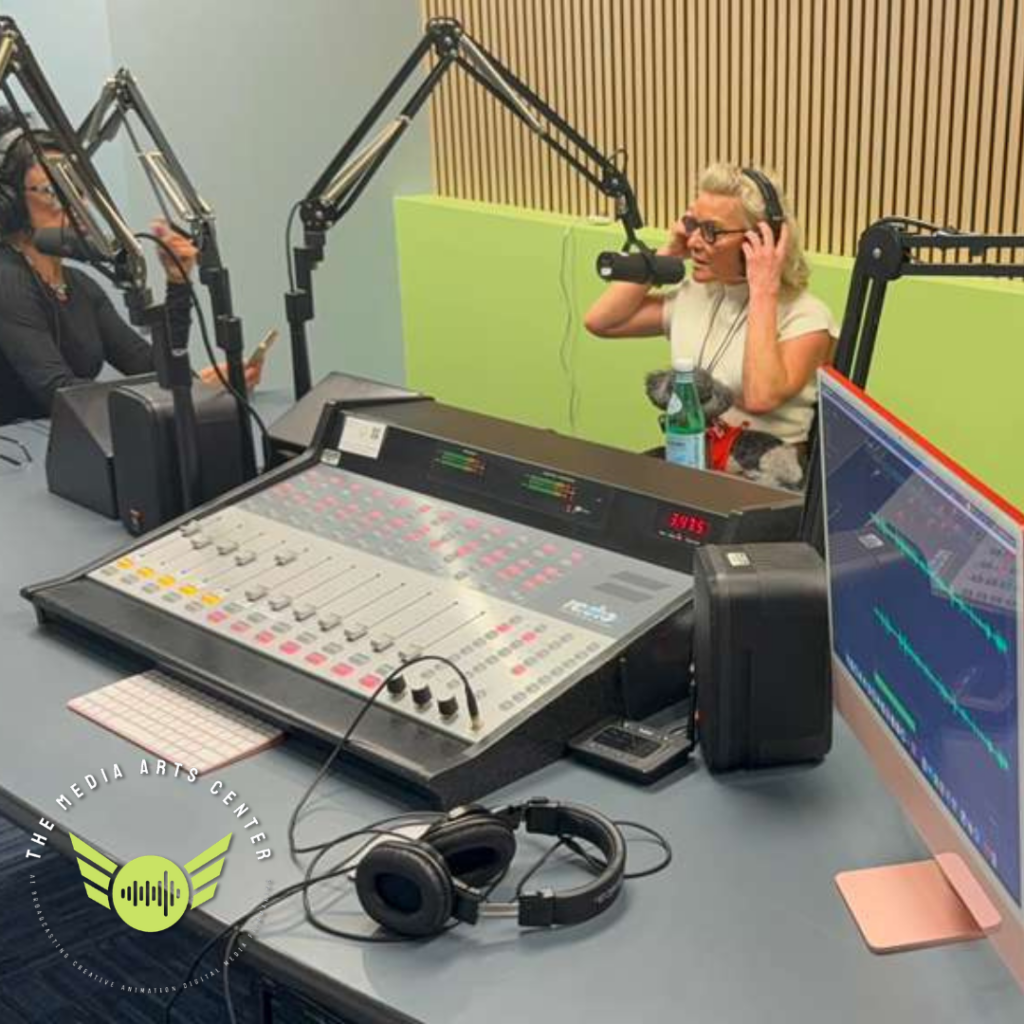
In the corporate and “creator” sectors, audio quality is often the primary differentiator between amateur and professional content. Companies now hire in-house audio engineers to produce internal communications, training modules, and branded marketing content. To see the equipment and software used in these roles, you can visit the studios by appointment.