There is a difference between writing and writing for the internet. Most people learn the first one in school and figure out the second one by trial and error. The error part tends to be public.
When you write for print, you have some room. A reader has already committed to the page. They might skim, but they will probably give you a paragraph or two before they decide whether to continue. Online, that patience does not exist. The back button is one click away. The competition is every other open tab, every notification, every thumbnail in the sidebar. The first sentence is not an introduction. It is a negotiation.
What the First Sentence Actually Does
The first sentence of a blog post, an email, a caption, or a landing page has one job: to earn the second sentence. The second sentence earns the third. This is not a metaphor. It is a mechanical reality. If you lose the reader at the start, nothing you write after that point matters because no one will see it.
This is why so much online writing fails. It warms up. It tries to set a mood. It assumes the reader is willing to wait for the point. They are not. Online readers are not hostile, but they are busy. They are scanning for relevance. If the first sentence does not signal, clearly and quickly, that this piece is for them and about something they care about, they leave.
Clarity Before Cleverness
There is a common temptation to be clever in the opening line. A surprising metaphor, a provocative question, a piece of wordplay. These can work, but only if the cleverness does not obscure the point. The reader should never have to decode what you mean. If they have to work to understand why they are reading, they will stop reading.
Clarity is the foundation. Cleverness is the decoration. You build the house first, then hang the art. A clear opening sentence names the problem, the person, or the outcome. It tells the reader: this is about you, this is about something that matters, and here is what you will get if you stay.
Consider the difference:
“In today’s fast-paced digital landscape, communication has never been more important.”
That says nothing. It could appear in any article about anything. It asks the reader to trust that something specific will arrive eventually. Most readers will not.
Compare it to this:
“Most marketing emails are deleted after the subject line.”
That names a problem. It is specific. It tells the reader exactly what territory we are in. A person who writes marketing emails will recognize themselves immediately. A person who does not will know within three words that this piece is not for them. That is also useful. You do not want the wrong reader to stay.
The Same Rule Applies Everywhere
This principle is not limited to blog posts. The first sentence of an email subject line earns the open. The first sentence of the email body earns the read. The first sentence of a video script earns the next ten seconds. The first sentence of a social media caption earns the click. The first sentence of an ad earns the consideration.
In every format, the reader is asking the same question: is this worth my time? Your first sentence is your answer.
How to Write a Better First Sentence
There is no universal formula, but there are reliable patterns.
One: start with the specific problem. Not a general statement about the industry. The actual problem your reader faces. “Your website traffic is up but your sales are flat.” That is a situation someone might be in right now.
Two: start with the outcome. “By the end of this post, you will know how to audit your own social media accounts in five minutes.” That is a promise. The reader can decide immediately whether they want that outcome.
Three: start with the reader. Use the second person. “You” is the most important word in online writing. It signals that this is not an abstract lecture. It is a direct conversation.
What does not work: definitions, historical context, throat-clearing apologies, or questions so broad that no one would answer no. “Do you want to improve your marketing?” Everyone says yes. That tells the reader nothing.
The Rest of the Piece Still Matters
A strong first sentence will not save a weak article. But a weak first sentence will kill a strong one. The best research, the most useful framework, the most elegant conclusion, all of it is invisible if the reader never gets past the opening.
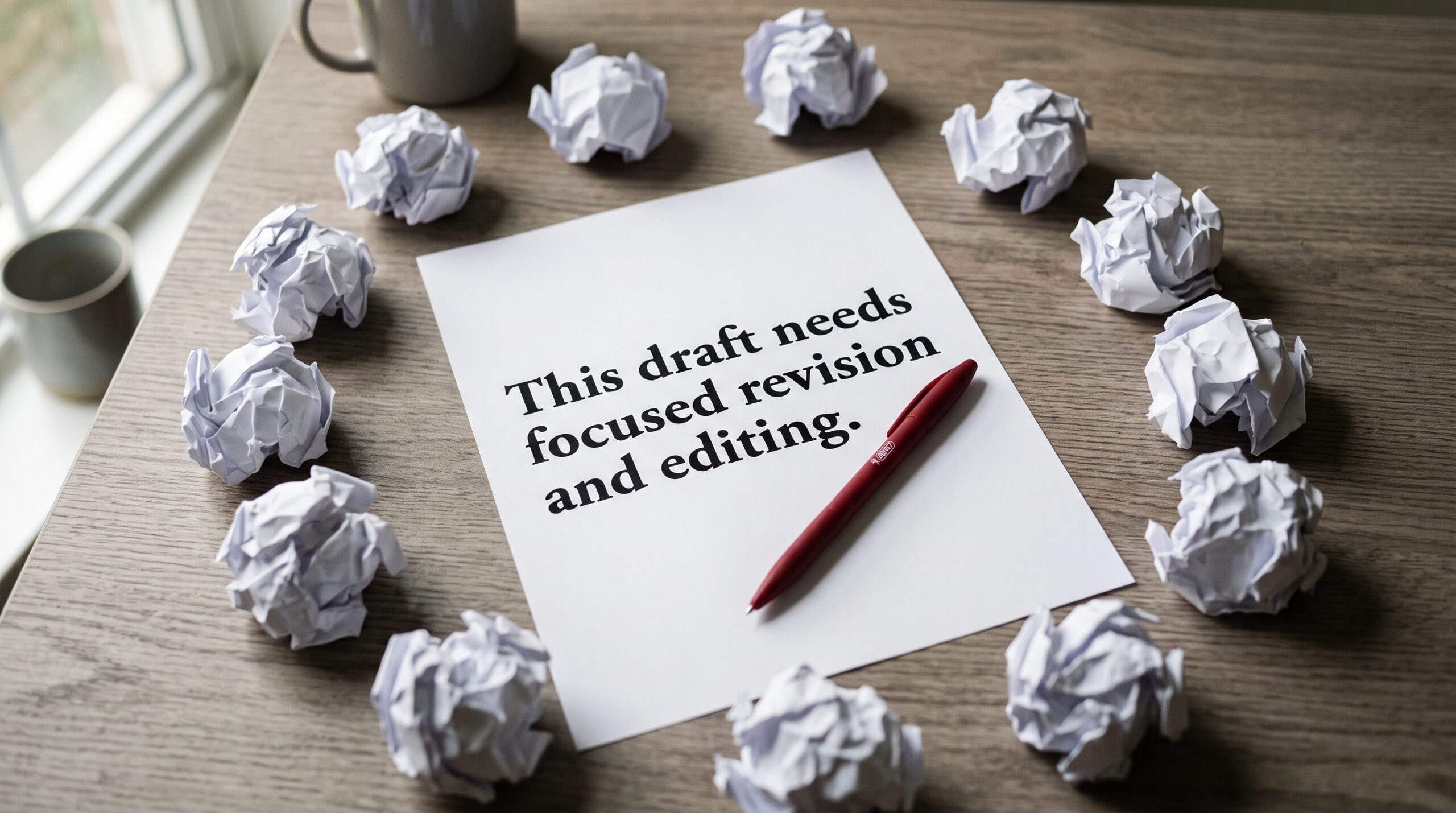
This is why editing matters more than drafting. Most first sentences are written while the writer is still figuring out what they think. That is fine for a draft. But before you publish, you must return to the opening and ask: if I knew nothing about this topic, would this sentence make me want to keep going? If the answer is no, rewrite it. Not the whole piece. Just the first sentence. Then ask again.
Practical Exercise
Go to your website, your most recent email, or your most recent social post. Read only the first sentence. Do not read the rest. Based on that sentence alone, could a stranger tell what the piece is about, who it is for, and why they should care? If not, the opening needs work.
This is not about being a better writer in the abstract. It is about being a more useful writer to the person who is standing in front of your work right now, deciding whether to stay.