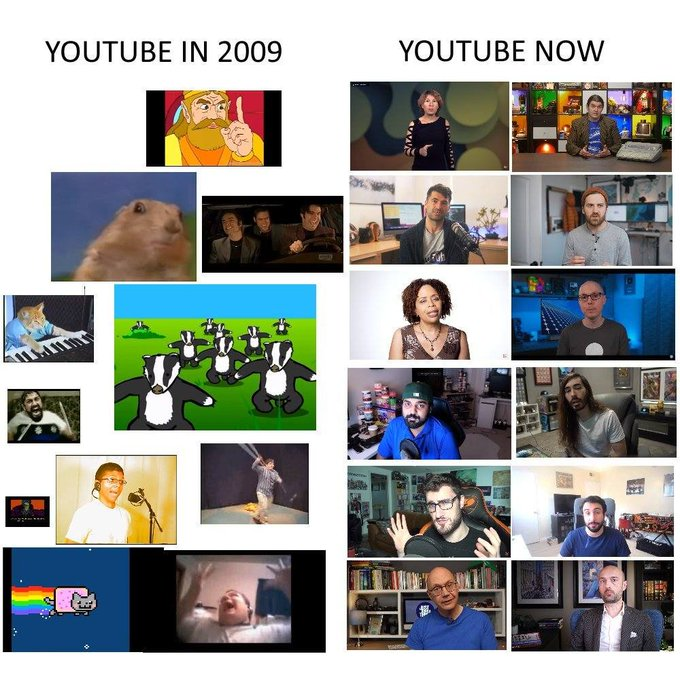
Gone are the days of viral grassroots/independent content on youtube. And not because there’s no more creative people, it’s because the internet is now a gigantic billboard that rewards professional audio and video.
In 2026, the barrier to entry for creating content has effectively vanished. Almost everyone has a high-definition camera in their pocket and a global distribution platform in their hand. Yet, only 1% or less go “viral”. As the volume of content explodes, a distinct gap has formed between those who can “go live” and those who can broadcast.
If you are looking to move into the professional media space, understanding this “Skills Gap” is the difference between a hobby and a career. Here is the reality of the professional standard today.
The Audio Mandate: The 70/30 Rule
It is a well-documented phenomenon in media psychology: Viewers will tolerate poor video quality, but they will abandon a stream immediately if the audio is poor. A professional isn’t just someone who sounds good on the microphone. They are someone who understands:
- Gain Staging: Managing signal levels across multiple hardware points to prevent noise floor hiss or digital clipping.
- Redundancy: Setting up secondary audio paths so that a failed cable doesn’t result in “dead air.”
- Acoustic Treatment: Understanding how to “read a room” and place equipment to minimize phase cancellation and echo.
Signal Flow vs. Luck
If your approach to signal flow is to close your eyes and pray, you are in trouble.
Most hobbyist setups rely on “plug and play.” In a professional broadcast environment, we rely on Signal Flow. Understanding how a signal travels from a sensor, through a switcher, into an encoder, and out to a CDN (Content Delivery Network) is the core of technical directing. When you understand the flow, you can troubleshoot. If a monitor goes black or a feed stutters, a professional doesn’t panic; they trace the signal.
The Shift to NDI and IP-Based Production
The industry is currently moving away from traditional hardware cables toward IP-based production (NDI). This means video is moving across standard computer networks rather than just specialized video cables.
This shift has changed the job description. Today’s media professional needs to be as comfortable with a network switch as they are with a camera tripod. Understanding how to manage bandwidth and network latency is now a mandatory skill for anyone working in a modern control room.
The Reality of the “On-Site” Environment
Theory can be learned from a video, but latency, interference, and equipment failure can only be managed through hands-on experience.
In eight days, our studio transitions into a live lab environment to tackle these specific technical challenges. We’ve designed the upcoming Broadcasting Program around the “Pro Standard”: moving past the basics of content creation and into the mechanics of professional production.