
Have you ever noticed how a great song can instantly change your mood, or how a captivating podcast can make a long drive fly by? That’s the unique power of audio! When you strip away the visuals, something amazing happens: your imagination kicks in, creating a truly personal and memorable experience.
Here’s why audio storytelling is so compelling, especially for connecting with your audience:
- Personal Connection: Audio feels like a one-on-one conversation. It’s direct, intimate, and builds a strong bond with your listener.
- Multitasking-Friendly: Your audience can listen while driving, exercising, cooking, or doing chores. Audio fits seamlessly into their busy lives.
- Sparks Imagination: Without images, every sound paints a picture in the mind. This makes the experience incredibly engaging and unique for each listener.
- Evokes Emotion: Carefully chosen sounds and music can create powerful emotional responses, leaving a lasting impact on your audience.
Crafting an Engaging Audio Story
Great audio isn’t just about what you say; it’s also about how you say it and what sounds you use to support your message. Here are the key ingredients for a captivating audio narrative:
Structure and Rhythm: The Flow of Your Story
Think of your audio story like a mini-play with a clear beginning, middle, and end.
- Hook Them Immediately: Grab your listener’s attention in the first few seconds. Start with something intriguing that makes them want to hear more.
- Build a Natural Narrative: Let your story unfold gradually. Set the scene, introduce any “aha!” moments or challenges, and guide your listener to a satisfying conclusion.
- Think in Acts: Just like popular shows such as This American Life, dividing your story into clear sections keeps it organized and easy to follow.
Designing Your Soundscape: What Your Audience Hears
The sounds you choose can transport your listener to another world.
- Embrace Natural Sounds: Use everyday background noises (like birds chirping or city bustle) to set the scene and make your story feel real.
- Layer Your Audio: Mix in subtle background sounds to create an immersive environment. This adds depth without distracting from your main message.
- Dynamic Sound Levels: Varying the volume can highlight key moments and add texture. Think of it like emphasizing important words with your voice.
For free sound effects and ambient audio, a great resource is Freesound.org.
The Power of Silence: When Less is More
Sometimes, what you don’t hear is just as important as what you do.
- Strategic Pauses: Don’t be afraid to use silence. Well-placed pauses can add dramatic effect, give your listener time to process information, and emphasize important points.
- Musical Bridges: Use music to transition smoothly between different sections of your story or to signal a shift in mood. This gives your listener a moment to breathe and get ready for the next part.
Getting Started with Simple Tools
You don’t need fancy equipment to create amazing audio! Here are some budget-friendly tools to help you begin your audio journey:
- Smartphone Recording Apps: Your phone’s built-in recorder is a great starting point. For more features, try Voice Record Pro (iOS) or RecForge II (Android).
- Quiet Recording Space: Find a cozy, quiet spot. A closet filled with clothes can actually work wonders as a sound-absorbing booth!
- Editing Software: To clean up and enhance your recordings, check out Audacity. It’s a powerful and completely free audio editor. You can download it at Audacityteam.org.
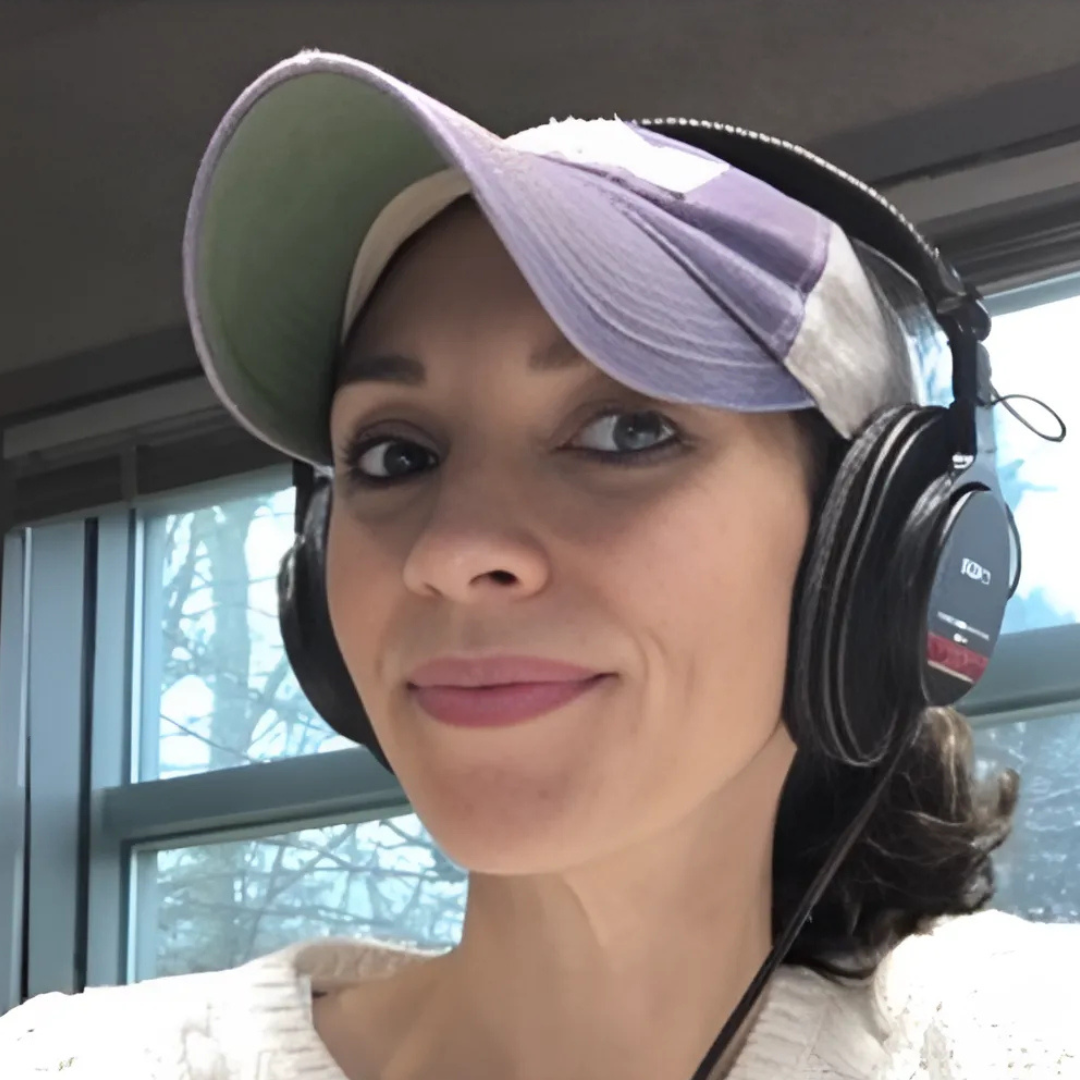
- Headphones: A reliable pair of headphones is crucial for monitoring your recordings and catching every sound detail.
Your Quick Audio Challenge!
Ready to put these ideas into practice? Here’s a simple exercise to help you refine your audio storytelling skills. This is all about experimenting and having fun!
- Record a 60-Second Story: Share a personal experience. Make sure it has a clear beginning, middle, and end.
- Capture Ambient Sound: Include at least one natural sound (e.g., traffic, rain, a quiet room tone) to help set the scene for your story.
- Incorporate Silence: Add a deliberate pause in your story to emphasize a key moment or create dramatic effect.
- Vary Your Tone: Experiment with different vocal tones to reflect the emotions in your narrative.
This exercise will give you hands-on experience with structuring your story, designing your sound, and using silence effectively.