
Years ago, the most influential people in education were the gatekeepers of the four-year degree. It is easy to picture a university dean holding the keys to a career, but the world has moved on.
These gatekeepers saw how industry was changing and pushed for more years of study and higher tuition. The story of how traditional education turned into a mountain of debt and general requirements is illustrative as we think about the modern job market. Multiply the cost by a very large number and you will get the idea.
The shift in how we work has created new winners and threatened the status quo for institutions that were already established. The universities existed, the accreditation systems existed, and the path seemed clear.
Critics of vocational learning used to say that focusing on just one skill was like asking the iceman to produce refrigerators. They argued that if you only learned the technical craft, you would have no foundation when the market changed. They asserted that without a broad degree, there would be no demand for your work. History has shown that the opposite is largely true.
The traditional path created a bottleneck. While students spent years on subjects unrelated to their goals, the industry didn’t wait. This opened the door for specialized creators to build careers faster. It was the beginning of the end of the “degree-only” era.
The old system ended with a mountain of paperwork designed to prove a student was well-rounded, but the value often stayed with the institution, not the student. Money was spent on sprawling campuses and administrative layers, meaning the students who did the work didn’t always get the direct return on their investment. The bureaucracy did.
As billions of dollars flowed into these institutions, the complexity expanded. As recently as this year, thousands of graduates found their career starts held up by a lack of practical experience and a resume that didn’t show what they could actually do.
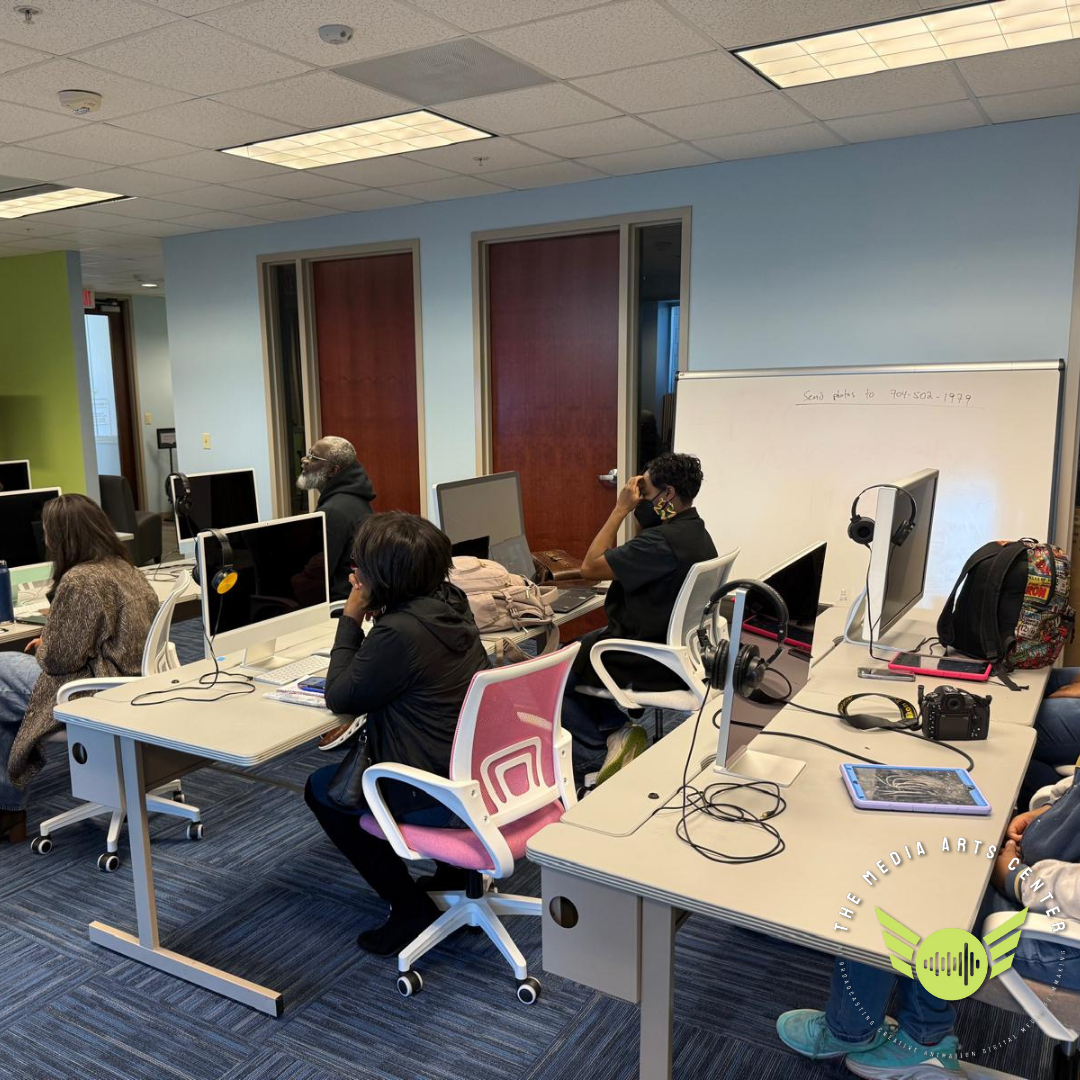
One particular story makes it clear just how messy this is. A talented filmmaker might spend four years studying the history of cinema. They learn the theory and the philosophy. Years later, an employer hires a graduate from a twelve-week avocational program because that person knows how to use the latest RED camera and DaVinci Resolve on day one.
The person with the degree has the title, but the person with the avocational training has the portfolio.
One graduate has more than a hundred thousand dollars in debt. The other has a demo reel that has been viewed a million times and led to a job. When the traditional graduate realizes they were bypassed because they lacked a specific, tangible skill, they see the rat’s nest of requirements for what it is.
The world settles on what works. Today, more people are being hired because they are listed as creators with actual proof of work. And of course, the people who skipped the fluff and went straight to the craft get paid sooner.
Because they chose to put skills first.