The media landscape is evolving fast. Here is what separates the professionals from the beginners.
Broadcasting in 2026 looks nothing like it did even five years ago. The industry has shifted from linear TV dominance to a digital-first, multi-platform ecosystem where content needs to flow seamlessly from traditional airwaves to TikTok clips, podcast feeds, and live streams, all while maintaining professional quality and audience trust.
At The Media Arts Center in Charlotte, NC, our Broadcasting School curriculum is built around this new reality. Whether you are dreaming of anchoring the evening news, hosting a podcast, or running your own YouTube channel, here are the five essential skills you need to thrive as a broadcaster in 2026.
1. On-Camera Presence That Commands Attention
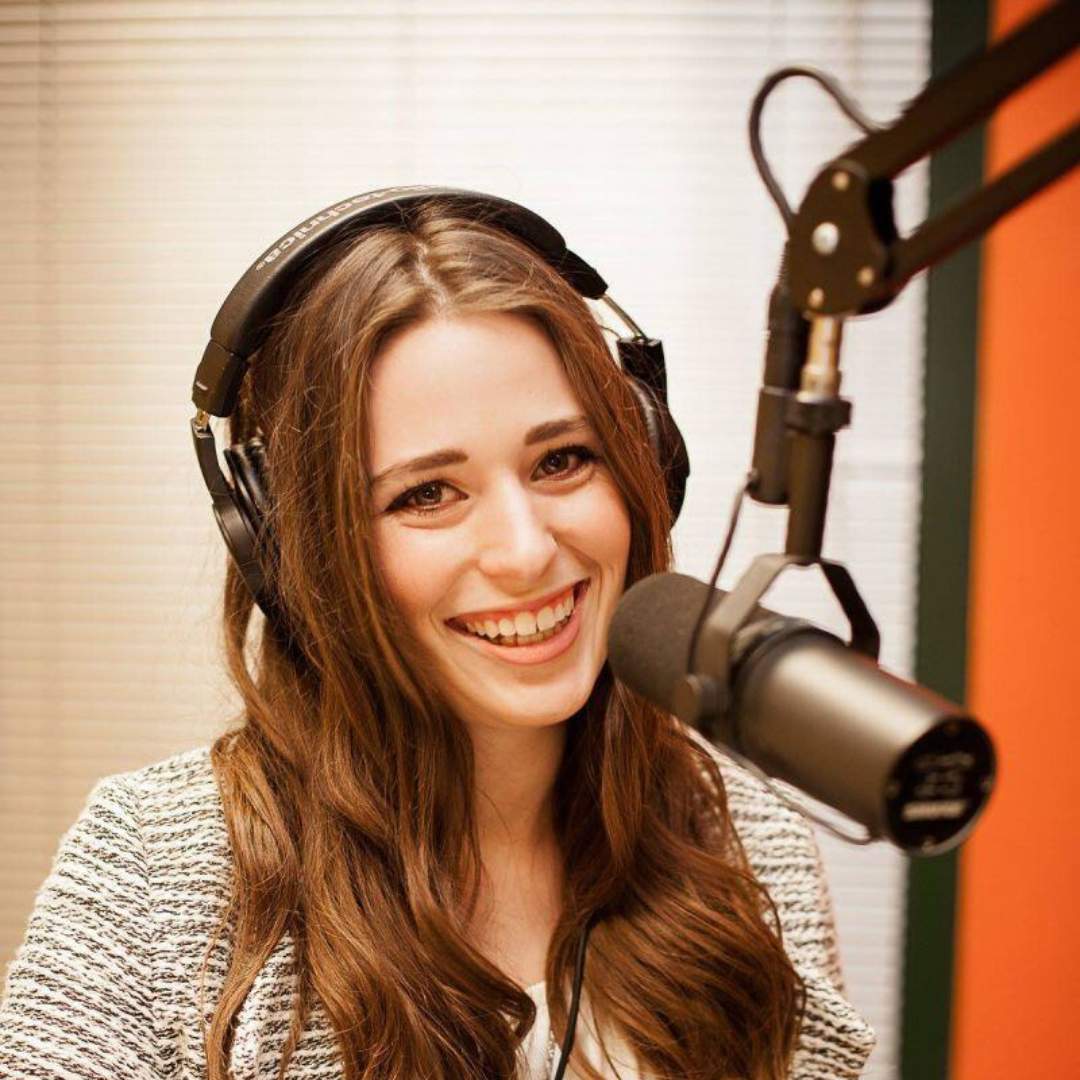
In an era where anyone with a phone can go live, authentic on-camera presence is your differentiator. It is not about being polished to perfection. It is about connecting with your audience in a way that feels genuine and compelling.
What this means in 2026:
- Energy management: Knowing how to modulate your tone, pace, and body language for different platforms. A TikTok clip demands different energy than a 6 PM newscast.
- Eye contact with the lens: Making viewers feel like you are speaking directly to them, not at them.
- Handling the unexpected: Live broadcasts will throw curveballs. Technical glitches, breaking news, guest no-shows. The best broadcasters stay composed and pivot smoothly.
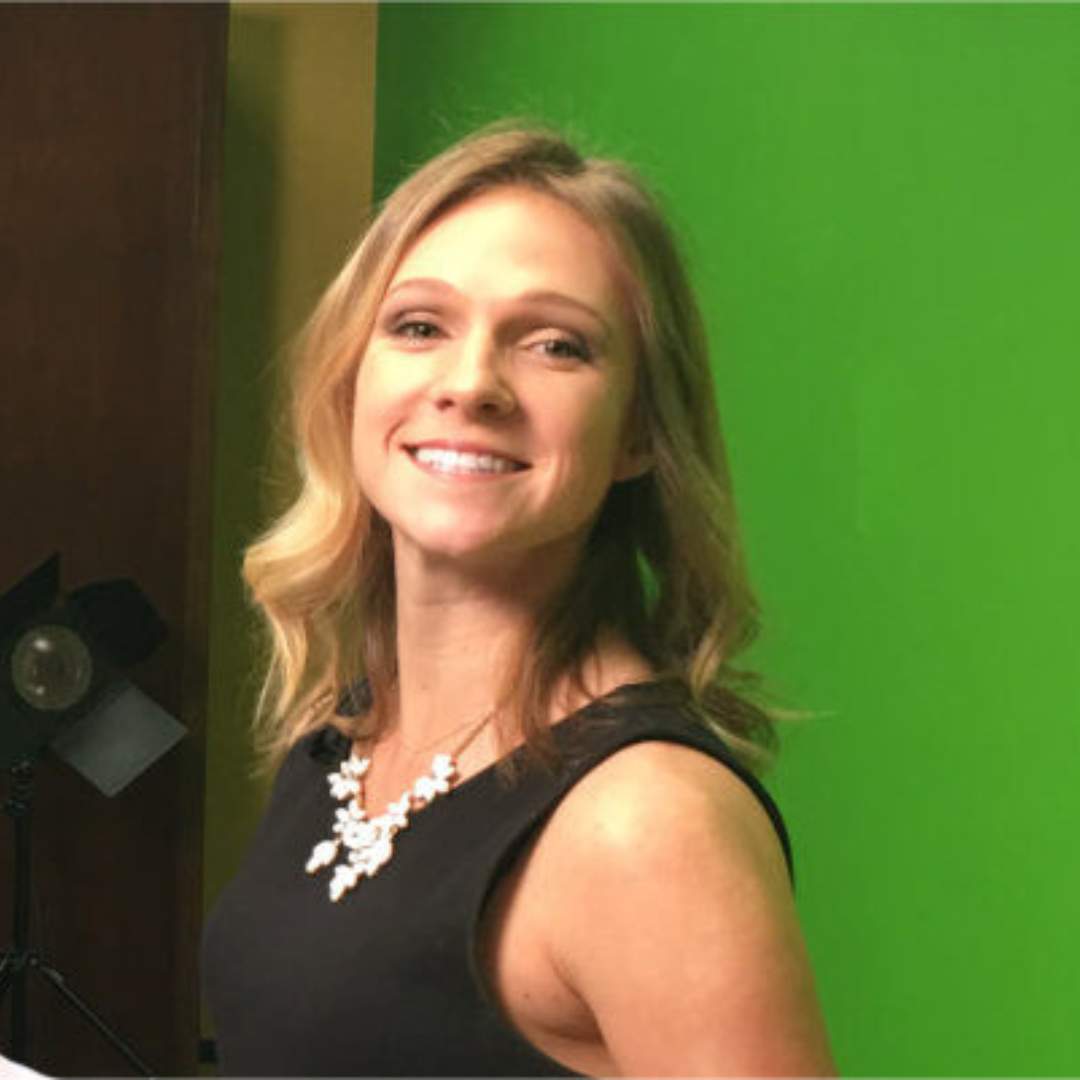
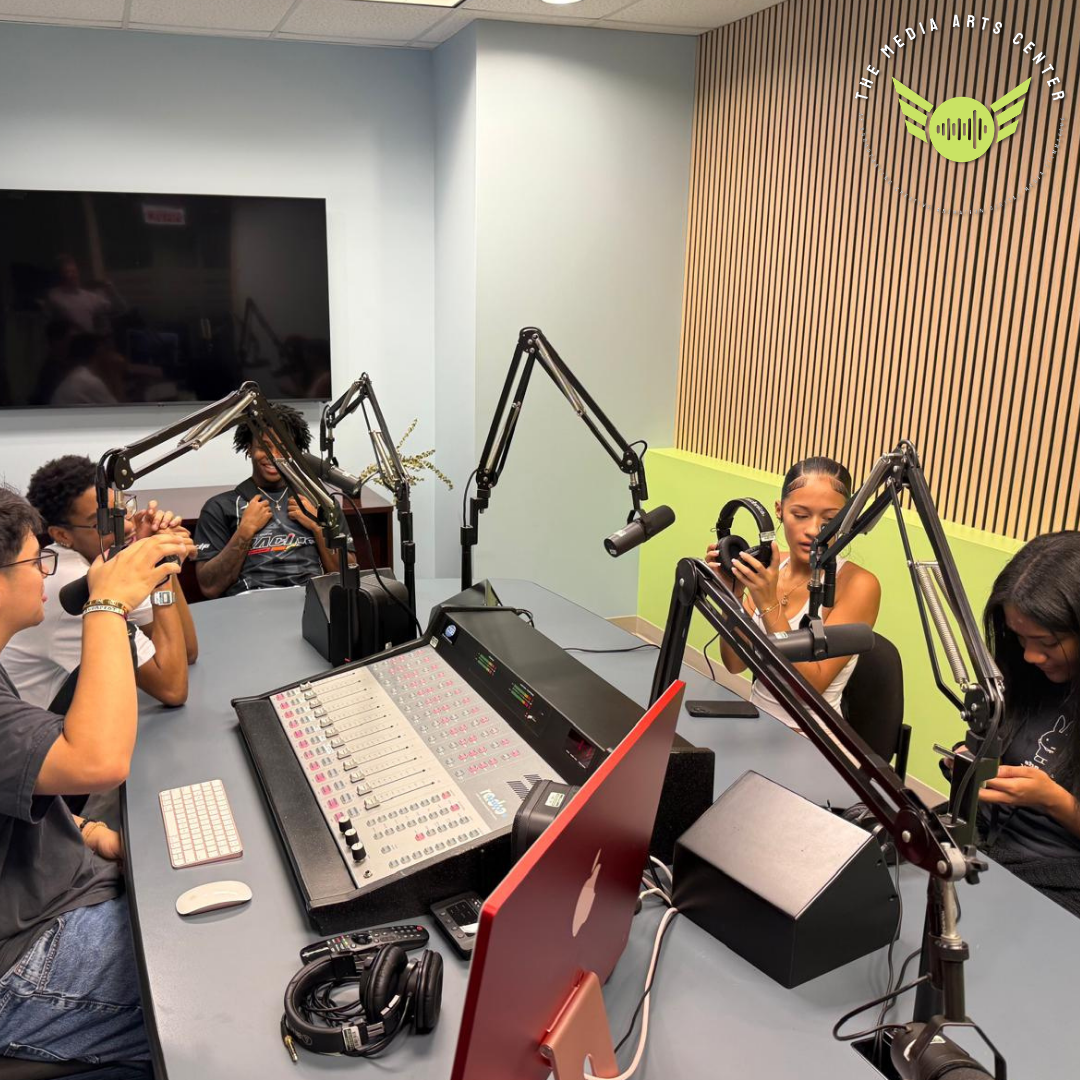
How we teach it at The Media Arts Center: Our Broadcasting School students spend hours in front of professional cameras in our studio labs, receiving real-time feedback from instructors with industry experience. You will practice everything from reading a teleprompter naturally to conducting unscripted interviews under pressure.
2. Audio Editing & Production Mastery
Here is a truth that has not changed: bad audio kills good content faster than bad video. In 2026, with AI-powered noise reduction and real-time audio enhancement tools becoming standard, audiences have zero tolerance for muddy sound.
What this means in 2026:
- Clean capture: Recording broadcast-quality audio in any environment, whether studio, field, or remote.
- Post-production polish: Using tools like Adobe Podcast Enhance, Descript, and Waves Clarity Vx to remove background noise, normalize levels, and create professional-sounding content.
- Understanding the signal chain: Microphone selection, preamps, compression, and EQ. The fundamentals that separate amateur from professional sound.
How we teach it at The Media Arts Center: Our curriculum covers the full audio production pipeline, from field recording techniques to studio mixing. Students learn on industry-standard equipment and software, ensuring you graduate with a portfolio that sounds as good as it looks.
3. Social Media Integration & Multi-Platform Storytelling
Broadcasting is no longer a one-way street to a single screen. In 2026, every broadcast is a content ecosystem. A single news segment or show episode needs to be repurposed into clips, audiograms, social graphics, and blog posts, often in real time.
What this means in 2026:
- Platform fluency: Understanding the unique language of TikTok, Instagram Reels, YouTube Shorts, X (Twitter), and LinkedIn, and how to adapt content for each.
- Content repurposing workflows: Turning one piece of broadcast content into a week’s worth of social media posts efficiently.
- Audience engagement: Using social platforms to build community, gather story ideas, and interact with viewers in real time.
How we teach it at The Media Arts Center: Our Digital Social Media Marketing program integrates directly with Broadcasting, giving you hands-on experience building multi-platform content strategies. You will learn how to use tools like Canva AI for social graphics and how to structure content that performs across platforms.
4. AI Literacy & Workflow Automation
AI is not replacing broadcasters. It is amplifying the best ones. In 2026, AI is being used for everything from automated show prep and metadata tagging to real-time camera switching and audio leveling.
What this means in 2026:
- AI-assisted content creation: Using tools to scan trending topics, generate talking points, and draft social copy, then applying your editorial judgment to refine and personalize.
- Workflow automation: Understanding how AI can handle repetitive tasks like transcription, clipping, and scheduling so you can focus on storytelling.
- Content authenticity: Knowing how to verify AI-generated information and maintain audience trust in an era of deepfakes and synthetic media.
How we teach it at The Media Arts Center: Our AI for Business program gives broadcasting students a practical foundation in AI tools and ethics. You will learn to leverage automation without losing the human touch that makes great broadcasting resonate.
5. Adaptability & Continuous Learning
The only constant in broadcasting is change. The skills that make you employable today may need updating in two years. The most successful broadcasters of 2026 are lifelong learners who stay curious about new technologies, formats, and audience behaviors.
What this means in 2026:
- Cross-disciplinary knowledge: Understanding not just broadcasting, but filmmaking, animation, e-commerce, and digital marketing, because modern media roles increasingly blur these lines.
- Technical versatility: Being comfortable with IP-based production workflows, cloud-based editing, and hybrid studio/remote setups.
- Soft skills: Communication, teamwork, problem-solving, and resilience. The “life skills” that no algorithm can replicate.
How we teach it at The Media Arts Center: Our Life Skills and Media program ensures students develop the professional habits and mindset that employers value most. Combined with hands-on training across multiple disciplines, you will graduate not just as a broadcaster, but as a versatile media professional ready for whatever the industry throws at you.
Ready to Build Your Broadcasting Career?
The Media Arts Center in Charlotte, NC offers comprehensive programs in Broadcasting, Filmmaking, Creative Animation, Digital Social Media Marketing, AI for Business, and E-Commerce, all designed to prepare you for the real-world media landscape of 2026 and beyond.
Whether you are starting fresh or leveling up your skills, our hands-on approach and industry-experienced faculty will help you build a portfolio that opens doors.