If you are thinking about a broadcasting program, you probably want to know one thing: will this get me a job? The honest answer is that no program can guarantee a job. But there are specific things employers look for, and a good program builds them into the curriculum.
Here is what hiring managers at radio stations and podcast networks told us they want to see.
A clean demo reel. Not a class project. Not a group assignment. A reel that sounds like it could air tomorrow. Employers listen for about thirty seconds. If your levels are wrong, if your voice is buried in the mix, if there is obvious room echo, they move on. A good program forces you to produce work that passes that test.
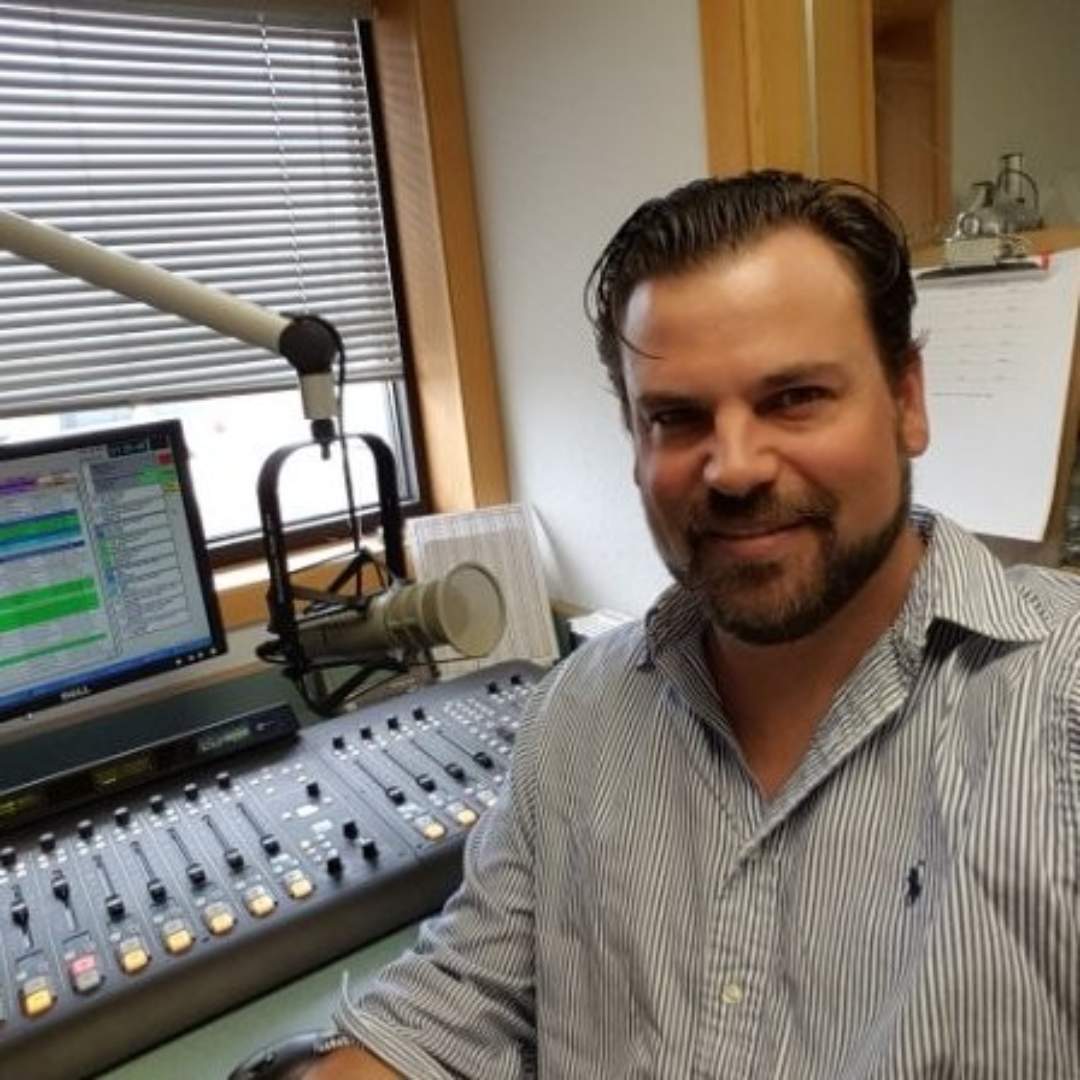
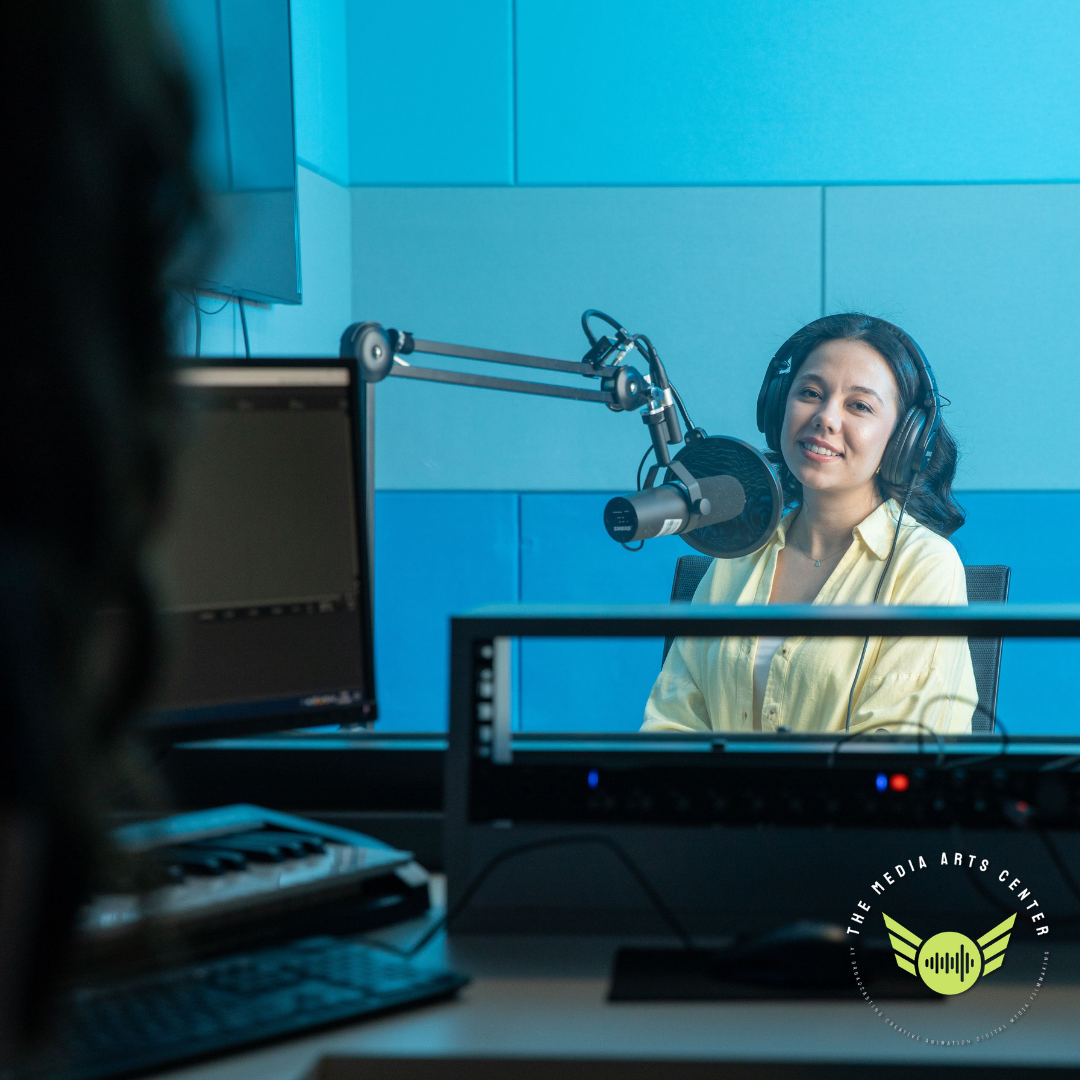
Hands-on console experience. Employers do not want to teach you how to use a mixing board. They want you to sit down and run a session. If you can walk into an interview and say, “I have spent 200 hours on a multi-channel console,” that means something.
Live broadcast experience. Editing is important. But live work is different. It shows you can think fast, manage pressure, and not panic when something goes wrong. Programs that include live simulation or actual broadcast time give you a story to tell in an interview.
Knowledge of signal flow. Can you trace a signal from a microphone through a console to a broadcast feed? Can you troubleshoot when something is not working? This is basic engineering knowledge, and it separates people who just want to be on air from people who can actually run a show.
Professionalism. Show up on time. Take feedback. Do not argue with the engineer. These sound obvious, but employers say they are rarer than you would think. A program that treats the studio like a workplace, not a classroom, teaches this by default.
If you want to see what a program that builds all of this looks like, click here.