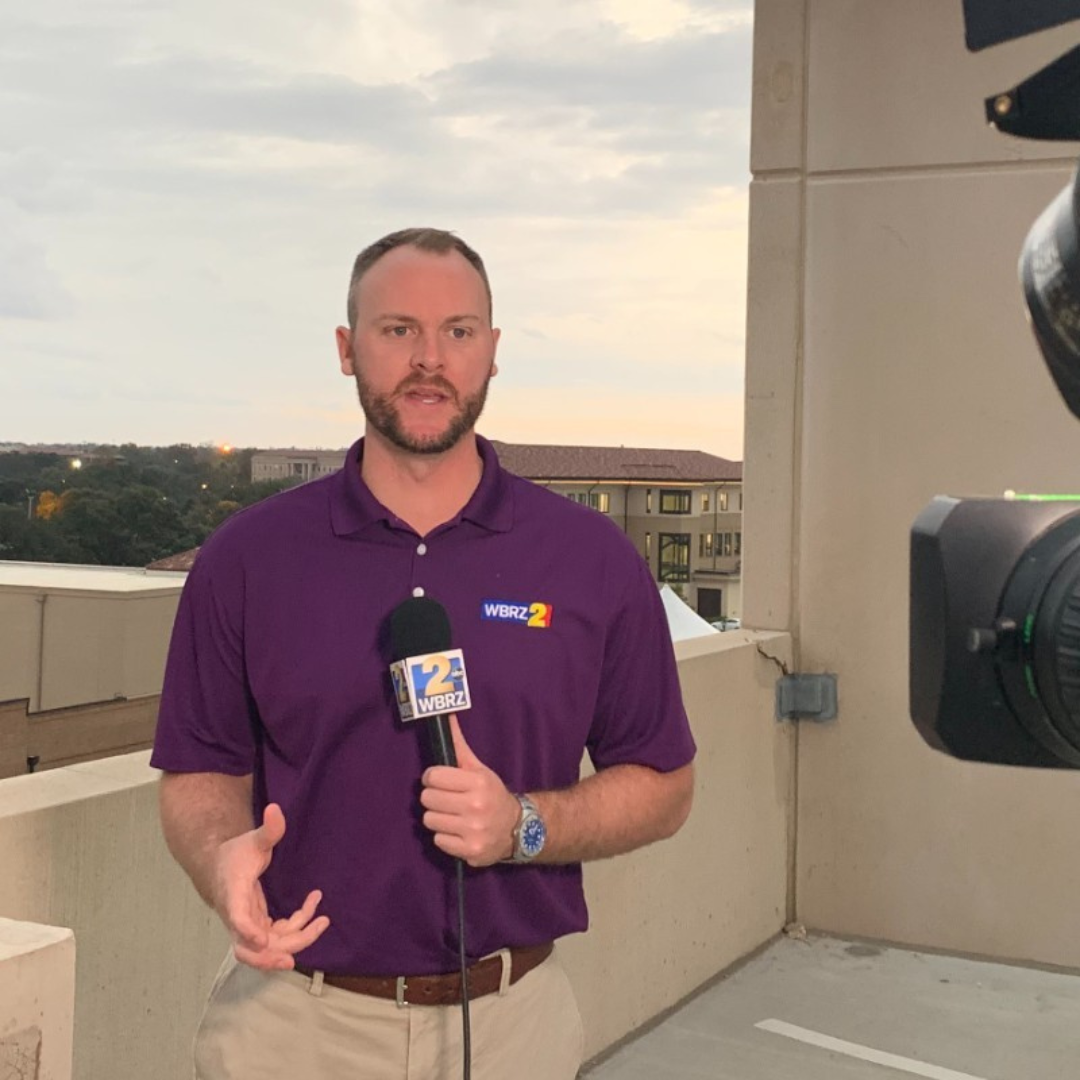
The dream of working in broadcasting or filmmaking often conjures up images of being behind a high-end camera, directing a scene, or delivering the news live on air. While those roles are central, the truth is that the modern media landscape requires professionals to be far more than just skilled operators or on-screen talent. To truly succeed and sustain a career in this field today, you must become a complete media master.
The job description has expanded exponentially. No longer can you specialize narrowly and expect to thrive. The industry now demands a versatile skill set that spans production, distribution, technology, and management.
1. Video is More Than Just Filming
While technical proficiency with a camera and editing software remains fundamental, the scope of production skills has broadened:
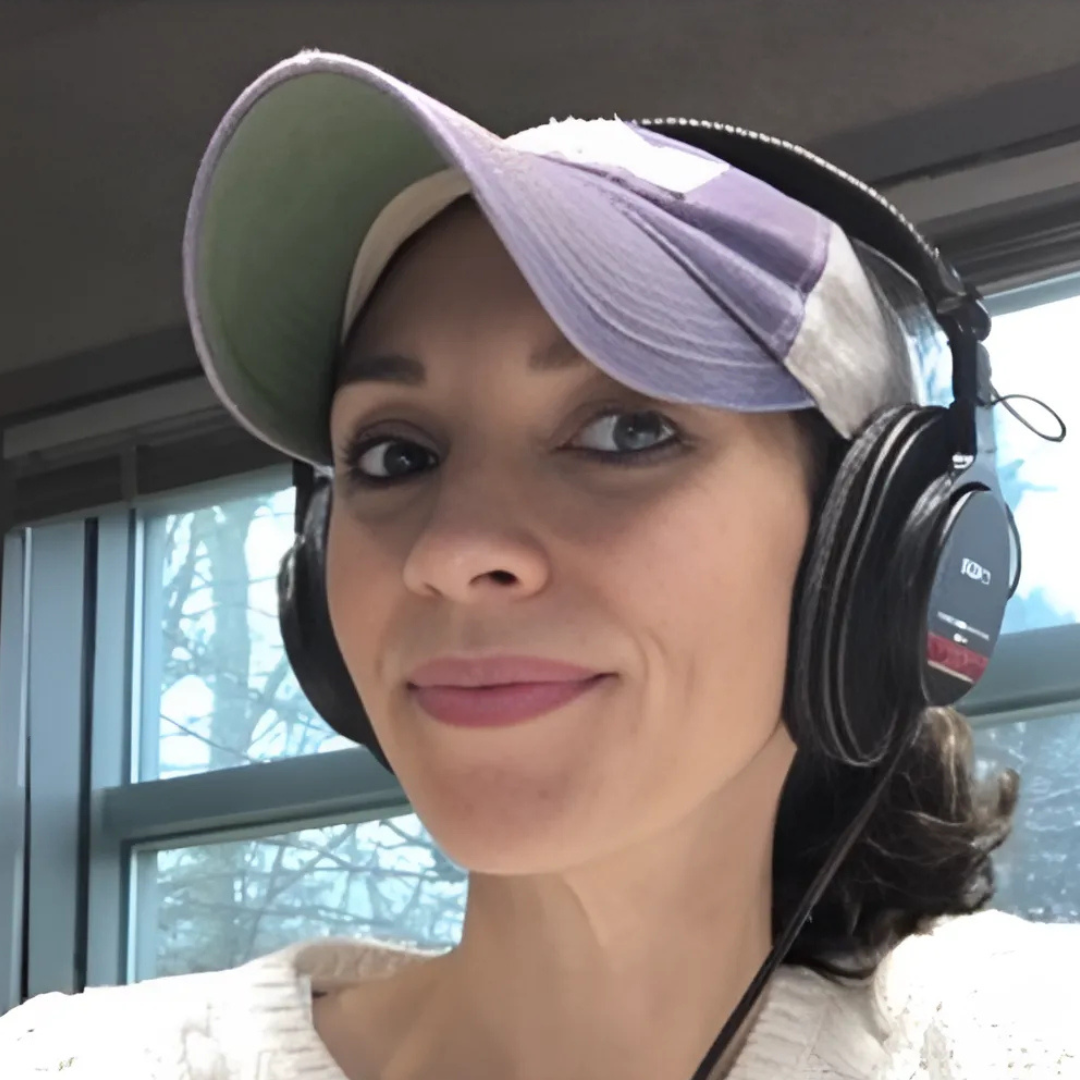
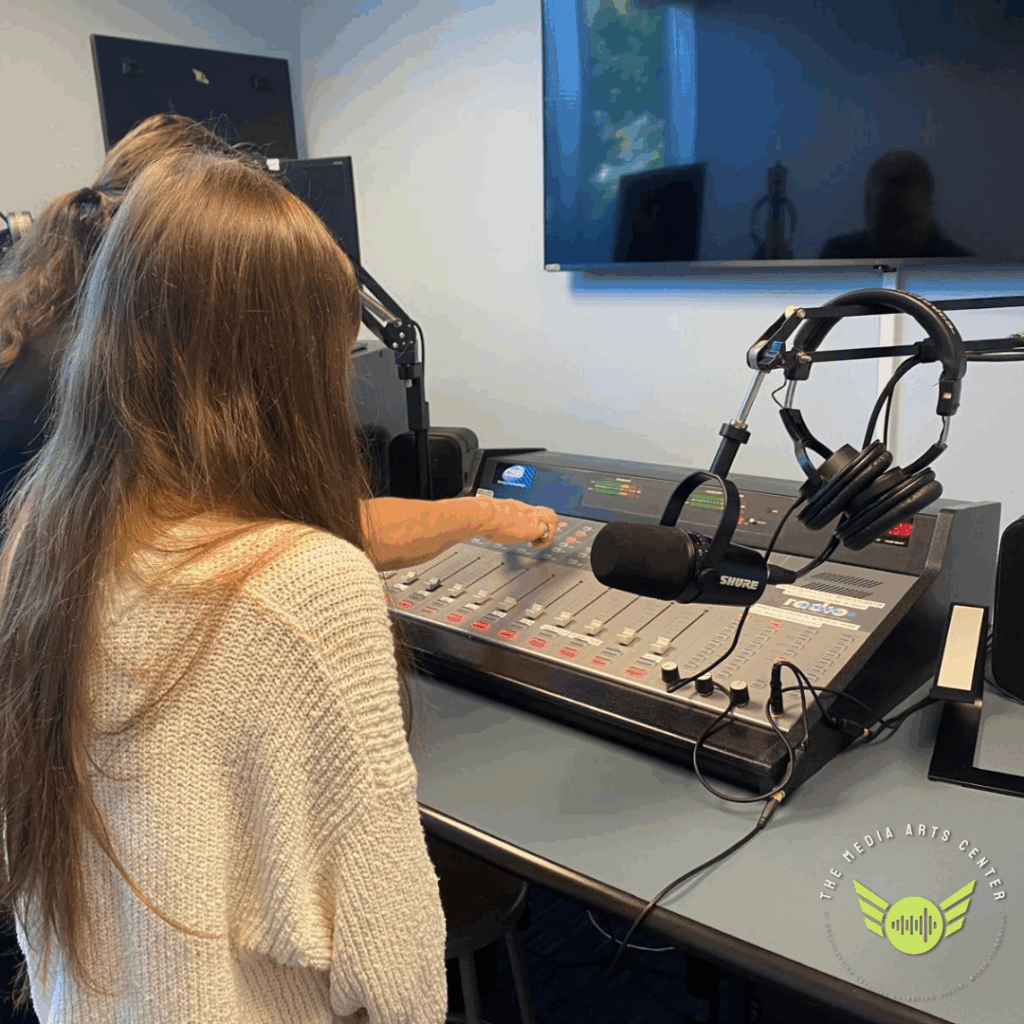
- Audio Expertise: High-quality sound is often more important than high-resolution video. Understanding microphone techniques, sound mixing, and audio post-production is non-negotiable for all media professionals.
- Lighting and Set Design: You need to grasp the principles of lighting to create the right mood and visual appeal, whether for a documentary or a studio interview. Basic set dressing and spatial awareness also come into play.
- Adaptability: Production now happens in studios, on location, and remotely using a variety of gear, from professional broadcast cameras to mobile phones. Mastery means being able to produce quality content regardless of the equipment available.
2. The Unavoidable Rise of Social Media
For anyone in broadcasting or filmmaking, social media is no longer a separate marketing department’s job; it’s an integrated part of your own professional life and the content lifecycle.
- Content Tailoring: You must understand how to re-cut, package, and present your primary content (a film or a broadcast segment) into engaging short-form clips suitable for platforms like Instagram, TikTok, and X (formerly Twitter).
- Audience Engagement: Directly managing comments, participating in relevant conversations, and using social platforms to build a personal brand or promote a project is crucial. This is how you build a committed audience.
- Analytics Awareness: Understanding basic social media analytics like what content performs, when to post, and who is watching informs future production decisions and demonstrates your value to employers or investors.
3. The Business and Management Layer
Creative ability is only one half of the equation. To turn your passion into a sustainable career, you must develop business and management acumen.
- Project Management: Being able to manage budgets, schedule shoots, coordinate diverse teams (talent, crew, editors), and meet deadlines is essential, whether you are running a news segment or an independent film project.
- Technological Literacy: Staying current with new software, evolving distribution methods (streaming platforms, digital delivery), and hardware is vital. Being a media master means being an early adopter of technology that impacts the medium.
- Legal and Ethical Understanding: Knowledge of copyright, intellectual property, licensing, and media ethics protects both you and your employer from costly mistakes.
The industry is saturated with people who can simply press “record” or “edit.” What sets the successful professional apart is the ability to connect all the dots: from initial concept and budget planning, through production, to the final, tailored distribution across every relevant platform, all while maintaining a consistent and engaging voice.
If you are looking to enter broadcasting or filmmaking, shift your focus from simply being a good cinematographer or a talented anchor to becoming a comprehensive media strategist: someone who understands every stage of the content creation and delivery pipeline. This breadth of knowledge is the real requirement for success in today’s demanding, fast-paced media world.