
Film is a physical medium made of silver halide crystals and organic dyes. When light hits film, the reaction is chemical and nonlinear. As light gets brighter, the film reaches a point of saturation where it slowly stops reacting. This creates a soft, gradual transition into the highlights.
In 90s cinema, even a bright sky or a reflection on a car had detail and a gentle “glow.” This is because of the shoulder of the film’s density curve. According to technical documentation from Kodak regarding their Vision series stocks, the way film handles overexposure allows for a naturalistic representation of highlights that mimics how the human eye perceives extreme brightness.
The Digital Sensor Logic
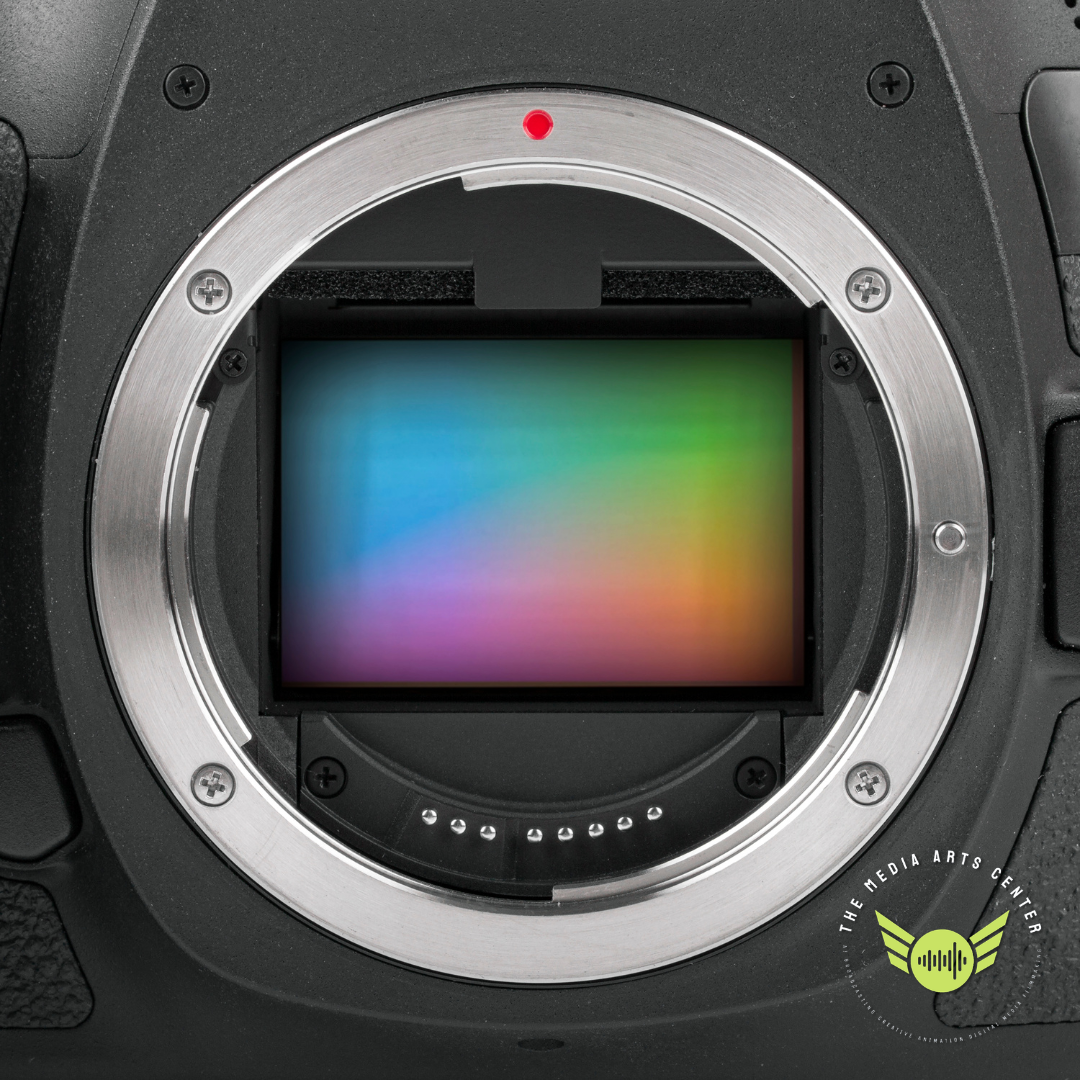
Modern digital sensors work on a linear scale. They convert photons into electrons. Every pixel has a specific capacity, and once that capacity is reached, the sensor simply stops recording data. Without heavy post-production work, this leads to “clipping,” where a bright area goes from color to pure, dead white instantly.
While high-end cameras like the Arri Alexa are famous for their “film-like” highlight roll off, many modern productions use sensors that prioritize sharpness and resolution over the naturalistic degradation of light. This creates an image that is technically perfect but feels sterile.
Color Saturation and “The Sludge”
In the 90s, color was baked into the chemistry of the specific film stock chosen for the day. A cinematographer might choose Kodak 5245 for its high contrast and vivid colors. The dyes in these stocks had specific “crosstalk,” meaning the way red, green, and blue layers bled into each other created a complex, organic palette.
Today, most movies are shot in a “Log” format, which captures a flat, grey, washed-out image intended to be “painted” later. As noted in color science resources from companies like FilmConvert and various ASC (American Society of Cinematographers) journals, the struggle in the 2020s is that colorists often apply a mathematical transform to these flat images. If the colorist isn’t careful, the resulting image lacks the subterranean complexity of chemical dyes, leading to that “CGI” feel where colors look applied to the surface rather than being part of the light itself.
Texture and the Perception of Depth
The 90s look is also defined by grain. Grain isn’t just “noise” in the way digital static is; it is a three-dimensional structure of silver. Because grain moves differently on every single frame, it creates a subtle sense of depth and motion that the brain perceives as “life.”
Modern digital sensors are so clean that they can look “plastic.” To combat this, many studios now add digital grain back in during post-production. However, since this grain is an overlay rather than the foundation of the image, the brain can often detect the artificiality, contributing to that feeling that what you are watching isn’t quite real.
Filmmaking is not just point and shoot. There’s a whole lot of science that goes behind your favorite film. Learn more about the technical details on the Filmmaking Program starting this month.