From Small Projects to Big Breaks
- Doodlebug (Christopher Nolan): Before Oppenheimer and Inception, Nolan made this 3-minute psychological thriller. It uses one room, one actor, and zero dialogue. It is a perfect example of how to build tension with almost nothing.
- Saw (James Wan): The massive horror franchise started as a 9-minute short film. The creators shot it in two days on a tiny budget to show studios their vision. It worked, and it launched a billion-dollar series.
- Whiplash (Damien Chazelle): Chazelle could not get funding for his full movie, so he filmed one intense 18-minute scene as a short. It won an award at the Sundance Film Festival, which helped him get the money to make the Oscar-winning feature.
- Bottle Rocket (Wes Anderson): This started as a 13-minute black-and-white short. It showcased Anderson’s unique style and quirky characters, proving he had a voice worth watching.
- Lights Out (David F. Sandberg): This horror short was filmed in a house with no budget. It went viral online and led to a major Hollywood directing career.
Making your first short film is the best way to learn filmmaking. You do not need a degree to start. You just need a story and the drive to hit record.
What to Expect
Most beginners start with a 3 to 5-minute film. In about 12 weeks, you can go from an idea on a napkin to a finished movie. It is a hands-on process of trial and error, but finishing that first project is a major win.
What You Need
You do not need a Hollywood budget. Most of what you need is already in your pocket:
- Gear: A smartphone or basic digital camera is plenty.
- Audio: Use a simple plug-in mic or a second phone to record sound close to your actors.
- Light: Use windows for sunlight or household lamps.
- Software: Use free apps like CapCut or DaVinci Resolve to edit.
Essential Skills
You will learn by doing. You will pick up:
- Scripting: How to write a basic scene.
- Cinematography: How to frame a shot so it looks professional.
- Editing: How to cut clips together to create a mood.
How to Start
- Keep it Simple: Write a 2-page story with two people in one room. This makes filming easy.
- Focus on Visuals: Try to tell the story through actions instead of just people talking.
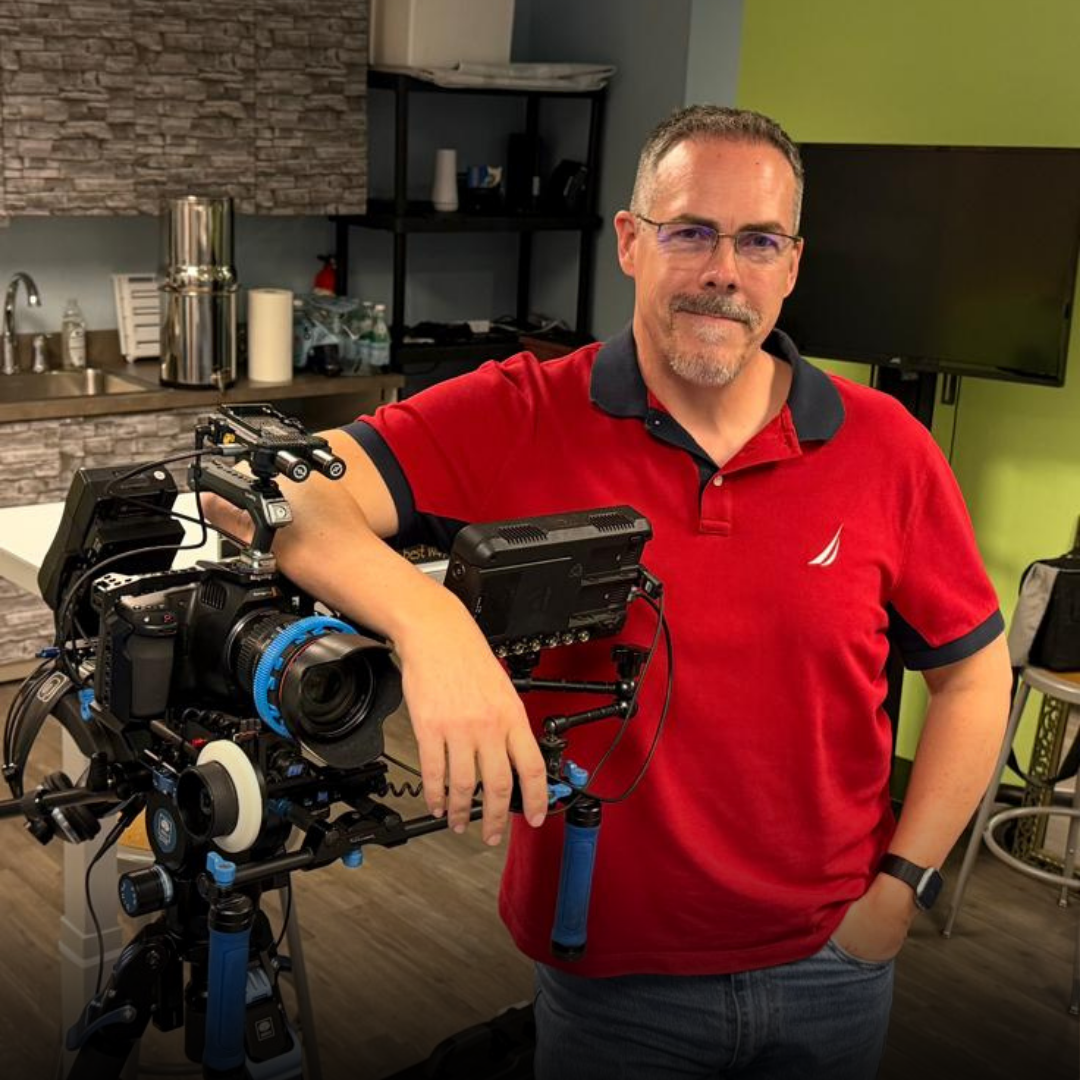
- Find a Mentor: If you want a head start, look for local workshops. The Media Arts Center offers a 12-week program where you can use professional gear and finish your film with expert help.
Takeaways
Use what you have: Most of these directors used their own apartments or local parks.
Keep it short: You do not need an hour to tell a story. Three minutes is enough to show your talent.
Focus on a “Hook”: Each of these films has one strong, clear idea that keeps the audience watching.
Ready to start your filmmaking career? Stop by the Ballantyne studios.