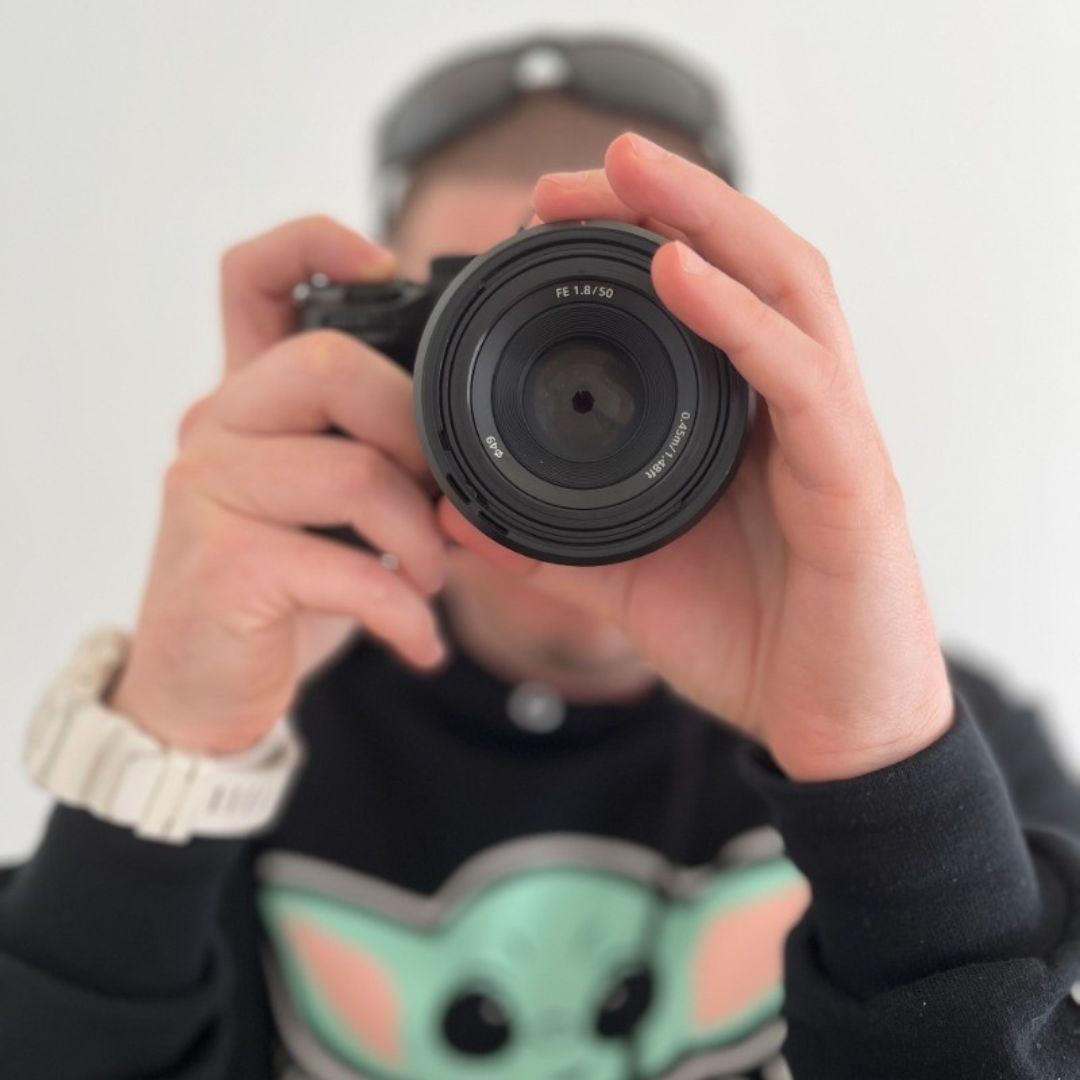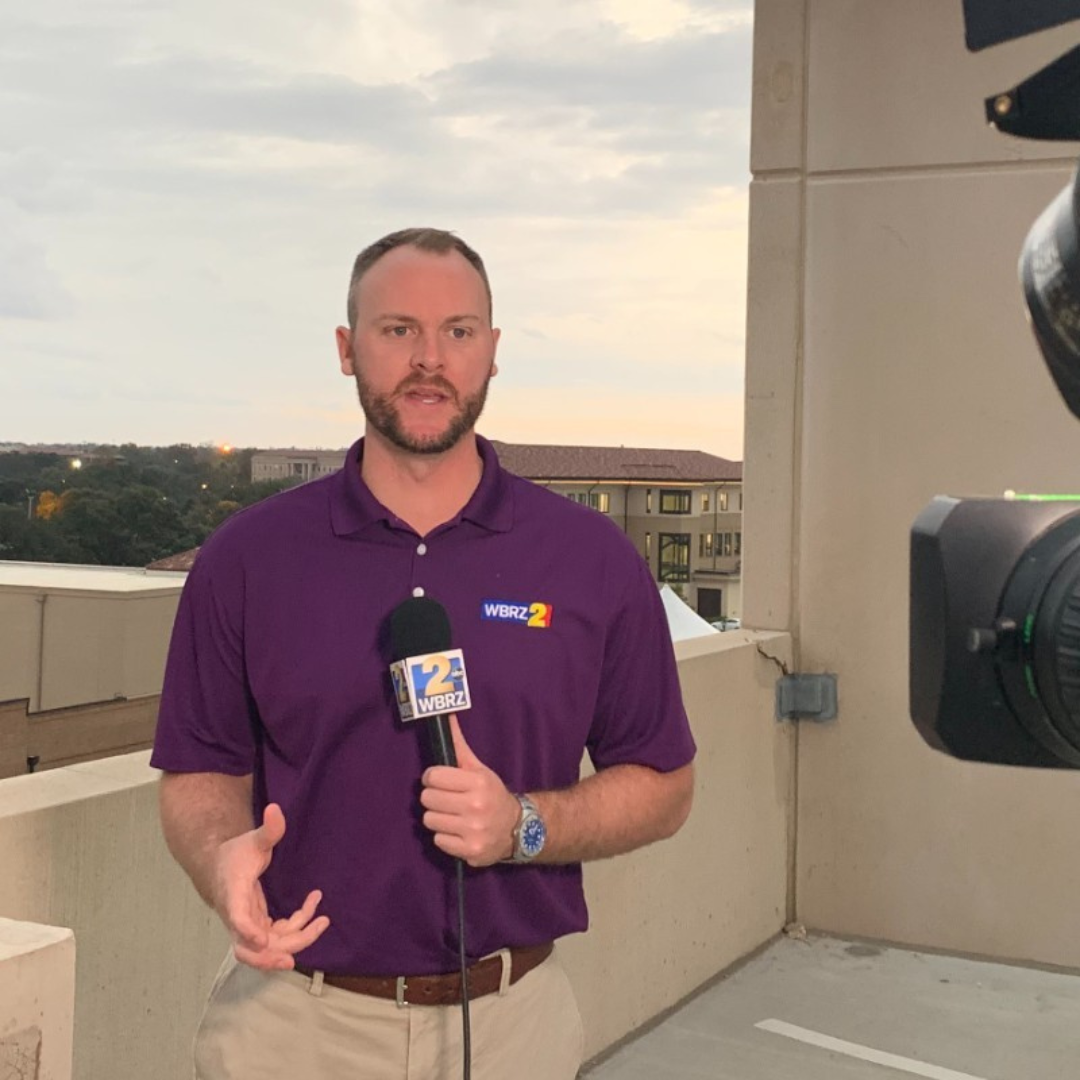
Understanding the core principles of broadcasting is more important than owning high end equipment. Many aspiring media professionals believe they need expensive cameras and microphones to start. In reality, mastering lighting, composition, and sound design will allow you to produce quality content with any device, including a smartphone.
Here is a step by step guide to applying professional broadcasting fundamentals using basic equipment.
Step 1: Prioritize clear audio Audiences will tolerate lower resolution video, but they will quickly abandon content with poor audio. You must capture clear sound. If you do not have a professional microphone, record in a room with soft furnishings like carpets and curtains to reduce echo. You can also use a second smartphone placed just out of frame near the speaker to record a cleaner audio track. You then sync this audio with your video during the editing process.
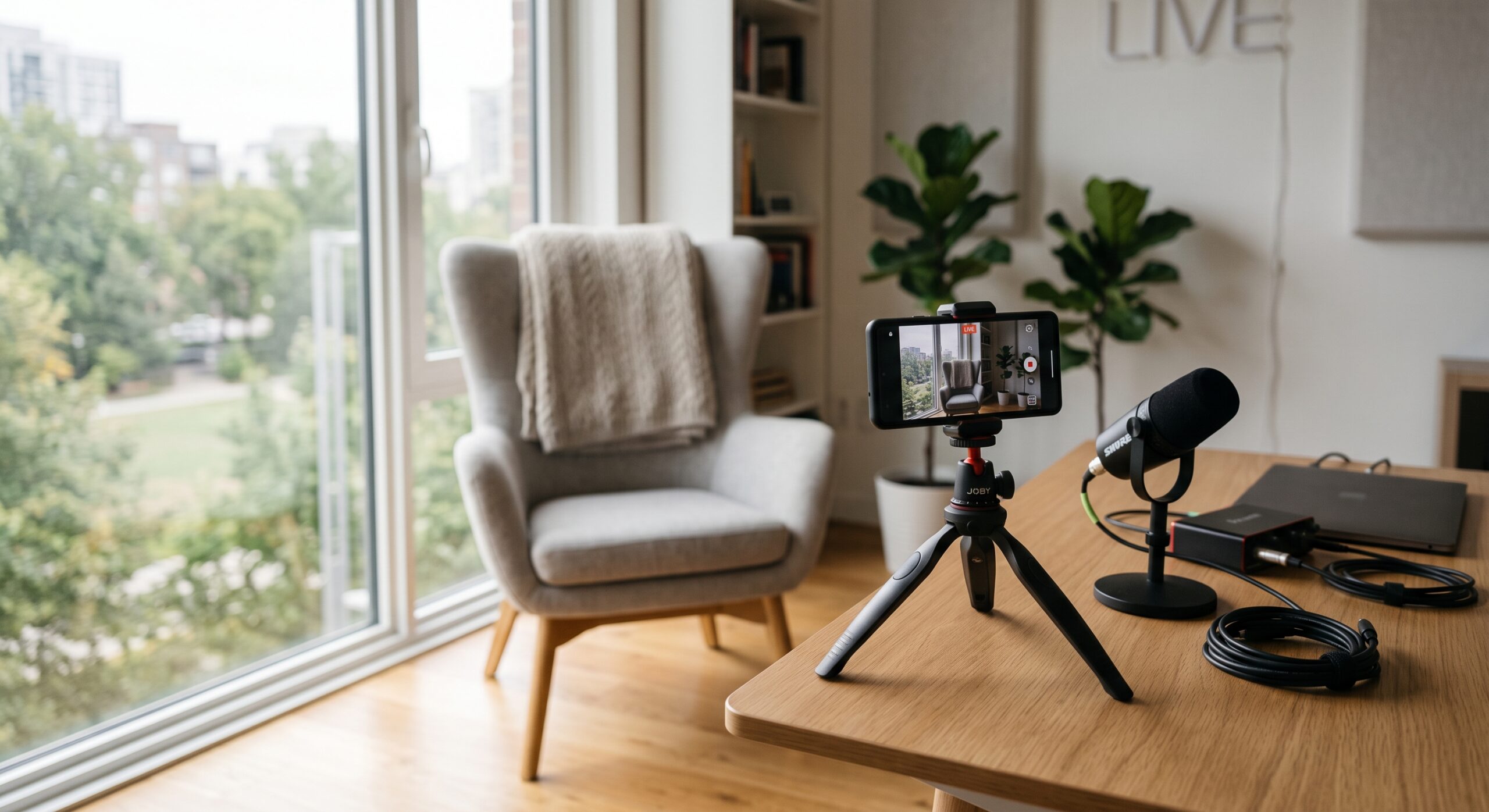
Step 2: Position your primary light source Professional lighting does not require studio fixtures. The goal is to illuminate the subject evenly. Find the largest window in your room to use as your key light. Position your subject facing the window or at a slight angle to it. Never place the window directly behind the subject, as this will cause the camera to expose for the bright background and leave the subject in shadows.
Step 3: Apply the rule of thirds for composition Proper framing makes a shot look professional. Most smartphone cameras have a grid overlay feature. Turn this on. The grid divides the screen into nine equal squares. Place your subject along one of the vertical lines rather than perfectly in the center. Ensure there is a small amount of space between the top of the subject’s head and the top of the frame. This is known as headroom.
Step 4: Stabilize the camera A shaky camera distracts the viewer. Always stabilize your device. If you do not have a tripod, prop the phone against a stack of books or use a heavy mug to keep it upright. The camera lens should be at eye level with the subject to create a natural viewing angle.
Mastering these four steps ensures your content relies on solid production techniques. Once you understand how to control sound, light, and framing, you will be prepared to maximize the potential of professional studio equipment in the future.