Preferred Partner Program
Learn the 12-week framework to automate your operations, scale your marketing, and lead with business intelligence.
A practical, hands-on 12-week program designed for busy founders and managers who want to implement AI tools today without the technical overwhelm. Each enrollment qualifies for 3 seats in the classroom so you can train your team.
Automation for SEO Ads Content Management Sales Customer Support
AI for Business School Onsite
Program Structure:
- Duration: 24 classes + 108 lab hours – 180 total session hours
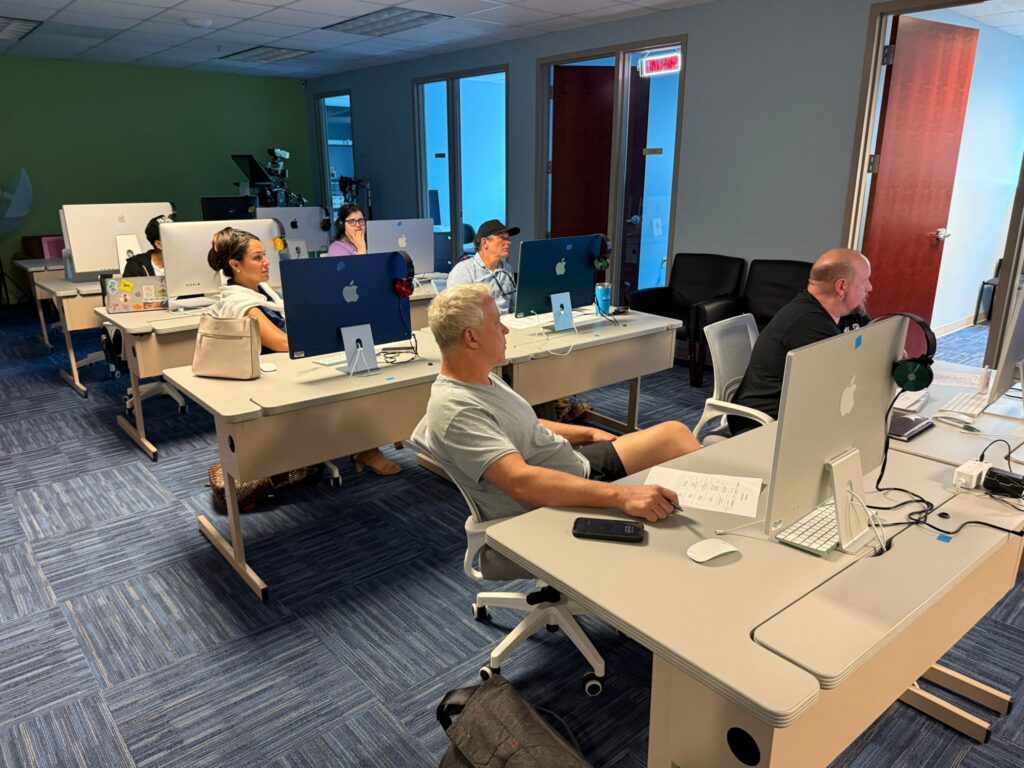
- Format: Interactive classroom sessions with a mix of lectures, discussions, case studies, guest speakers (successful small business owners using AI), and project work. Emphasis on peer learning and sharing.
- Courses: 4 core courses, 6 classes each on Mondays and Wednesdays
- Start Date: March 31st 2026
- End Date: June 28th 2026
- Time: 11am – 2pm | Tue + Thu
Cost of tuition
Learn more about the program offering and the cost of tuition in the school catalog:
What you'll Do
Automated Prospecting
Product & service visualization
Course Description: This course focuses on how Smart Systems can revolutionize marketing strategies, automate content creation, and drive customer acquisition for businesses of all sizes.
Class 1: Demystifying Smart Systems for Marketing: Understanding the automated intelligence landscape, dispelling myths about machine-generated content, and identifying brand growth opportunities.
Project: “Efficiency Audit” – Identify 3 specific manual marketing tasks in your business where Smart Systems could be implemented.
Class 2: Smart Systems for Content & Creative Production: Automating high-quality copywriting, optimizing visual brand assets, and saving time on creative workflows with advanced digital design tools.
Project: Generate a multi-platform content calendar and a set of branded social media graphics using Smart System design tools.
Class 3: System-Driven Lead Generation & Outreach: Leveraging Smart Systems for personalized email campaigns, automated LinkedIn outreach, and high-conversion landing page optimization.
Project: Create an automated “cold outreach” sequence using a Smart System writing assistant to personalize messages for a specific target audience.
Class 4: Smart Systems for Social Media & Community Management: Using Smart Systems for trend prediction, sentiment analysis, and automated engagement to build a loyal online presence.
Project: Use a Smart System listening tool to analyze competitor mentions and draft 5 “real-time” response templates for your brand.
Class 5: Smart Systems for Performance Marketing & Ads: Optimizing digital ad spend, A/B testing headlines at scale, and using Smart Systems to predict which marketing channels will yield the highest ROI.
Project: Build a “Hyper-Targeted Ad Campaign” strategy including Smart System-optimized headlines, descriptions, and audience segments.
Class 6: The Future of the Systems-First Marketer: Adapting your brand strategy to the changing landscape of algorithmic search and the shift from traditional SEO to Smart System optimization.
Project: Implement an automated content funnel for your social media.
Course Description: This course focuses on how Intelligent Automation can modernize financial management, automate accounting workflows, and provide predictive insights for smarter capital allocation.
Class 7: Intelligent Automation for Real-Time Financial Oversight: Moving beyond static spreadsheets to automated bookkeeping, real-time expense tracking, and automated categorization of transactions.
Project: “The Smart Audit” Use an Intelligent Automation expense tool to scan receipts and automatically categorize a month of business transactions.
Class 8: Predictive Budgeting & Forecasting: Using advanced data modeling to move from “historical” reporting to “predictive” planning based on market trends and internal data.
Project: Build a 12-month cash flow forecast using an Intelligent Automation financial modeling tool to identify potential dry spells.
Class 9: Intelligent Accounts Receivable & Invoicing: Automating the “chase” for payments with smart reminders and using Intelligent Automation to predict which clients are likely to pay late.
Project: Set up an automated System-Driven dunning sequence for a mock list of overdue accounts to improve collection speed.
Class 10: Fraud Detection & Risk Management: Implementing automated patterns to recognize anomalies in transactions, prevent cyber-fraud, and assess the risk of new business investments.
Project: Conduct a “Risk Simulation” Use an Intelligent Automation tool to analyze a dataset for anomalies or duplicate invoices.
Class 11: Tax Optimization & Compliance: Leveraging Intelligent Automation to stay updated on changing tax laws, identify missing deductions, and ensure regulatory compliance without manual research.
Project: Use an Automated Tax Assistant to scan business expenses and flag at least 5 potential tax-deductible items.
Class 12: The Strategy-Driven CFO: Shifting the role of finance from “number cruncher” to “strategic advisor” by using Intelligent Automation to guide major investment decisions and growth scaling.
Project: Create a “Capital Allocation Plan” for your business’s next quarter based on System-Generated insights regarding ROI and overhead trends.
Course Description: Discover how Adaptive Systems can assist with HR tasks, even in small businesses with limited staff, to automate recruitment, enhance culture, and streamline employee management.
Class 13: Adaptive Systems for Smarter Hiring: Streamlining recruitment, screening candidates, and using System-Assisted logic to write unbiased, high-performance job descriptions.
Project: Use an Automated Screening Tool to evaluate and rank candidates for a hypothetical key position in your company.
Class 14: Automated Onboarding & Training: Creating personalized learning paths, generating onboarding handbooks, and using Virtual Mentors to answer new hire FAQs.
Project: Build a “Smart Onboarding Assistant” (using a custom knowledge base) that answers 10 common questions for new employees.
Class 15: Systems for Boosting Employee Engagement: Using Sentiment Analysis in internal communications, feedback loops, and creating a proactive, positive work environment.
Project: Research and present an Adaptive Feedback Tool that uses pulse surveys to predict and prevent employee burnout.
Class 16: Dynamic Performance Management: Tracking progress in real-time, setting automated goal reminders, and using Data-Driven Drafting to create constructive, evidence-based performance reviews.
Project: Develop a basic framework for using Automated Summarization to turn weekly employee check-ins into a monthly performance report.
Class 17: Workforce Planning & Retention: Using Predictive Analytics to identify turnover risks and automating the management of remote teams and freelancers.
Project: Use an Adaptive Planning Tool to map out a “Skills Gap Analysis” for your current team to identify what roles you need to hire for next.
Class 18: The Ethics of Automation in People Management: Ensuring fairness, transparency, and data privacy while maintaining a human-centric culture in an automated workplace.
Project: Group discussion: Designing a “Digital Code of Ethics” for your business to ensure automated tools don’t introduce bias.
Course Description: This course focuses on how Precision Logic can revolutionize your sales pipeline, automate high-touch outreach, and provide the predictive insights needed to close complex deals faster.
Class 19: Logic-Powered Prospecting & Lead Scoring: Using Precision Logic to move past cold-calling by identifying “high-intent” leads and automatically ranking them based on their likelihood to buy.
Project: Use an Automated Prospecting Tool to generate a list of 20 “Ideal Customer” leads with verified data.
Class 20: Personalized Outreach at Scale: Crafting hyper-personalized emails and LinkedIn sequences that reference specific prospect news, triggers, and pain points automatically.
Project: Create a 3-step “Smart Sequence” using a digital writing assistant that adapts the tone based on the prospect’s industry.
Class 21: Negotiation Co-Pilot: Using Precision Logic to role-play objections, analyze transcripts for “buying signals,” and prepare “win-win” offer structures before the meeting.
Project: Run a “Negotiation Simulation” with a custom Logic-Bot to practice overcoming your most common sales objection.
Class 22: Conversational Intelligence: Leveraging Precision Logic to record, transcribe, and analyze sales calls to identify why deals stall and what top-performers are saying differently.
Project: Use an Analytical System to transcribe a mock sales call and identify 3 “missed opportunities” in the conversation.
Class 23: Predictive Sales Forecasting: Moving from “gut feelings” to data-driven revenue targets by using Precision Logic to analyze pipeline health and historical win rates.
Project: Build a “Deal Health Dashboard” that flags which current sales opportunities are at risk based on recent engagement patterns.
Class 24: The Future of the High-Touch Sales Force: Integrating “Digital Assistants” into your CRM to handle admin tasks so you can focus 100% on building human relationships.
Project: Integrate Automated Agents into your CRM workflows.
Smart sales coverage and customer support
Automated document generation
Real time data Business Intelligence
Key Outcomes:
- Gain a comprehensive understanding of AI tools and techniques.
- Develop strong creative thinking and problem-solving skills.
- Design and build your own AI tools.
- Identify and exploit business opportunities with AI.
- Be prepared to thrive in the dynamic and ever-evolving world of AI.
How to get started:
Step 1: Tour
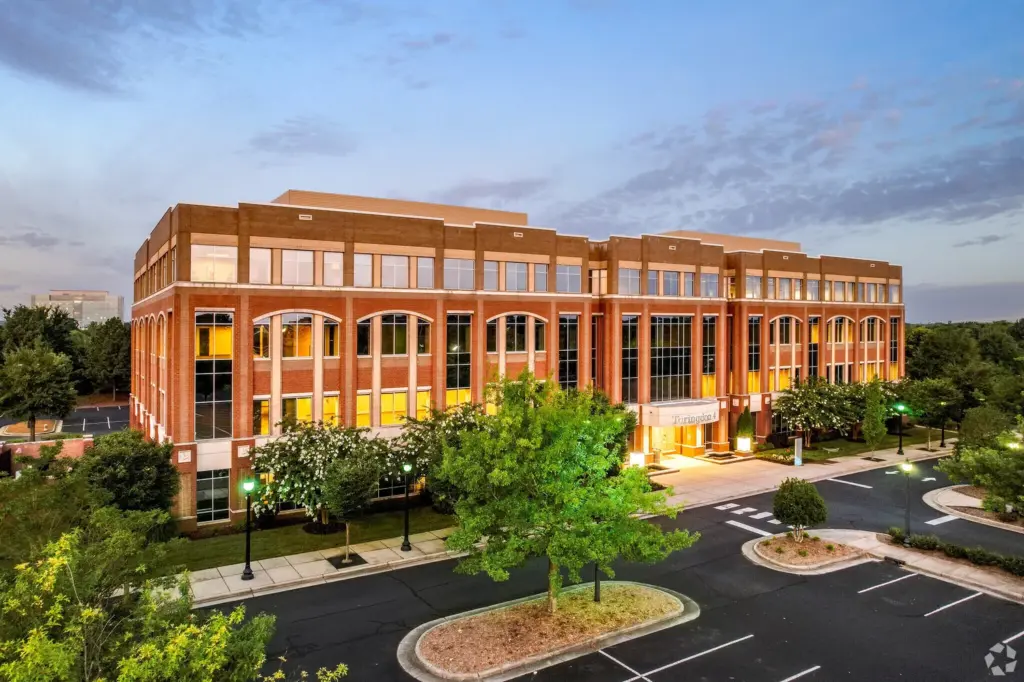
Tour the school campus, meet the staff and discuss your business objectives and identify key areas for skill development.
Step 2: Apply
Depending on the current skills and experience of your team, as well as your business rules and objectives, select the best fit from available programs.
Step 3: Learn